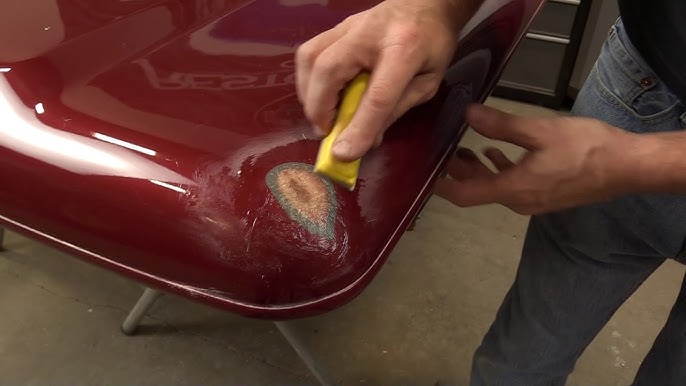
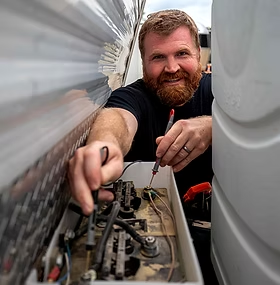
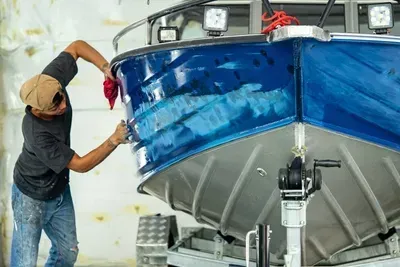
From boats and RVs to automotive panels and industrial surfaces — we work through the repair process carefully, using materials and methods appropriate for each situation.
Select a damage type below to see which service typically applies and what the repair process generally involves.
Understanding what goes into a repair helps set realistic expectations about timelines and outcomes.
We evaluate the damage type, depth, cause, and surrounding material condition. Moisture readings are taken for hull and RV work.
Damaged material is ground out or cut back to sound laminate. The area is cleaned, dried, and prepared for bonding.
Compatible resins and reinforcement materials are applied in layers, allowing each to cure before the next is added.
The repaired area is faired, sanded, and finished to match surrounding surfaces as closely as the material allows.
This tool provides a general ballpark range for budgeting purposes only. Actual pricing depends on many factors that can only be assessed in person — accessibility, material condition, labor complexity, and location all affect final costs.
Work through these short questions to get a better sense of your situation before reaching out.
Loading...
Loading...
These are unsolicited impressions from clients who've worked with us on various projects over the years.
"The delamination on my pontoon deck had been spreading for two seasons. They were upfront about what the repair involved and how long it would take to dry properly. The result looks solid and there's been no sign of re-separation since."
"Had some stress cracks on my RV slide-out corners. They explained that hairline cracks in that location are fairly common and walked me through what causes them. Repair looks good and they were honest about what future maintenance I should watch for."
"I brought in a fiberglass hood with a crack that another shop had butchered. They redid it properly, feathered it in, and matched the white fairly well considering it was a 2011 paint. Took about four days but the outcome was worth the wait."
"They assessed our fiberglass storage tank at the facility and gave a realistic picture of what was repairable vs. what needed replacing. That kind of straightforward evaluation saved us from over-engineering a solution."
"Bathtub had a crack near the drain that was getting worse. They came out, assessed it, said it was repairable and explained it wasn't going to be invisible but would be structurally sound. That transparency matters — I knew what to expect."
"We had osmotic blistering across the port hull of a 26-foot sailboat. They were very clear that treatment would require pulling the boat and waiting for moisture levels to drop. Patient, knowledgeable, and the barrier coat application was done properly."
Each of our technicians specializes in specific repair types, and most have spent years working in marine, automotive, or industrial settings before joining us.

18 years in marine fiberglass, including commercial vessel work. Specializes in structural hull repairs and osmotic treatment.

Background in automotive refinishing. Focuses on color matching and surface finishing across marine and RV applications.

Worked in RV manufacturing for 8 years before moving to repair. Experienced with composite panel construction and structural assessment.

Handles scheduling, estimates, and client communication. Makes sure the shop runs on time and clients know what to expect at each stage.
These questions come up regularly when people are trying to understand what fiberglass repair involves. If you have a specific situation not covered here, the best step is a direct conversation.
Talk to Us
A practical look at how fiberglass damage occurs, the different repair approaches used in the field, and what factors affect how long a repair holds up.
Saltwater, UV, and osmotic damage each affect marine fiberglass in different ways. This guide covers what to watch for and when to act.
Catching small issues early almost always costs less than repairing damage that has spread. Here's what to watch for and how to slow common deterioration patterns.
We want you to understand what fiberglass repair can and cannot do before you contact us. Here's an honest summary:
The first step is usually a conversation or an in-person look at the damage. Reach out to get started.